
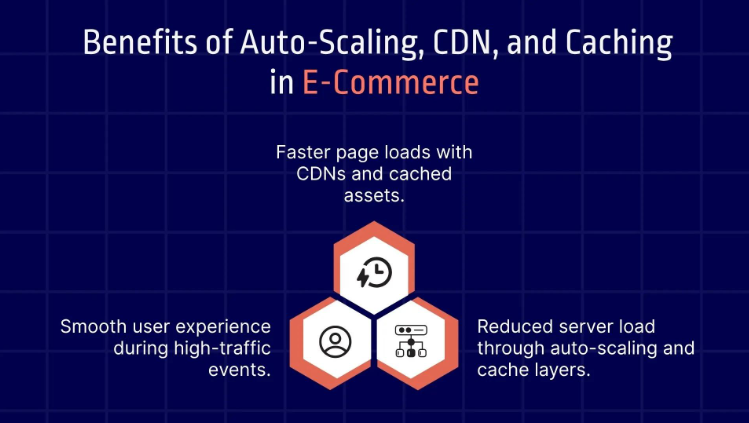
Your eCommerce website is only as good as the hosting behind it.
You may have an attractive website, premium products, and excellent marketing, but if your website loads slowly or crashes during peak shopping hours, customers will leave before making a purchase.
According to industry research, even a one-second delay in page loading can reduce conversions, while reliable hosting improves speed, security, uptime, and customer trust.
This guide explains everything you need to know about choosing the best hosting for your online store.
What is eCommerce Hosting?
eCommerce hosting is a specialized web hosting service designed for online stores. Unlike regular hosting, it is optimized for:
- Online payments
- Shopping carts
- Product catalogs
- Customer accounts
- High website traffic
- Data security
- Faster loading speed
Whether you’re using WooCommerce, Magento, Shopify, OpenCart, or a custom-built eCommerce website, the right hosting plays a major role in your store’s success.
Why Hosting Matters for an Online Store
Good hosting directly impacts:
- Website Speed
- SEO Rankings
- User Experience
- Conversion Rate
- Security
- Checkout Performance
- Customer Trust
- Revenue
A slow website can increase bounce rates and reduce sales, while reliable hosting helps maintain fast performance and better search visibility.
Top 12 eCommerce Hosting Features
1. High-Speed Performance
Website speed is one of Google’s ranking factors.
Look for hosting that provides:
- NVMe SSD Storage
- LiteSpeed Server
- HTTP/3 Support
- Optimized PHP
- Built-in Caching
Fast hosting improves:
- Product page loading
- Checkout speed
- SEO rankings
- Customer satisfaction
2. 99.9% or Higher Uptime
Every minute your website is offline means potential lost sales.
Choose a hosting provider offering:
- 99.9% uptime guarantee
- Redundant infrastructure
- Automatic failover
- Reliable server monitoring
3. Free SSL Certificate
Every online store should use HTTPS.
Benefits include:
- Secure customer information
- Encrypted payments
- Better SEO
- Increased customer trust
- Browser security indicators
4. PCI DSS Compliance
If your website processes online payments, PCI compliance is essential.
It helps protect:
- Credit card information
- Customer payment data
- Transaction security
5. Automatic Daily Backups
Unexpected issues can happen.
Daily backups help you recover:
- Website files
- Products
- Customer information
- Orders
- Database
6. CDN (Content Delivery Network)
A CDN stores copies of your website across multiple global servers.
Benefits:
- Faster loading worldwide
- Lower latency
- Reduced server load
- Better user experience
7. Scalability
Your hosting should grow with your business.
A good hosting provider allows easy upgrades from:
- Shared Hosting
- VPS Hosting
- Cloud Hosting
- Dedicated Servers
without significant downtime.
8. Strong Security Features
Look for:
- Firewall (WAF)
- Malware scanning
- DDoS protection
- Two-factor authentication
- Server monitoring
- Security patches
9. One-Click eCommerce Installation
For beginners, one-click installation saves time.
Popular platforms include:
- WooCommerce
- Magento
- OpenCart
- PrestaShop
- WordPress
10. Unlimited Bandwidth
Traffic spikes during festivals or promotions shouldn’t slow your store.
Unlimited bandwidth helps your website handle more visitors without interruptions.
11. 24/7 Technical Support
Technical issues can happen anytime.
Choose hosting that provides:
- Live Chat
- Phone Support
- Email Support
- Ticket System
- Knowledge Base
12. Easy Control Panel
A beginner-friendly control panel like cPanel or a custom dashboard makes it easier to:
- Manage domains
- Create emails
- Install SSL
- Monitor performance
- Manage backups
Types of eCommerce Hosting
| Hosting Type | Best For | Cost |
|---|---|---|
| Shared Hosting | Small Stores | Low |
| VPS Hosting | Growing Businesses | Medium |
| Cloud Hosting | Fast-growing Stores | Medium-High |
| Dedicated Server | Enterprise Stores | High |
| Managed Hosting | Businesses wanting hassle-free management | Medium-High |
Best Hosting Providers for Online Stores
The right provider depends on your platform, traffic, budget, and technical requirements. Commonly recommended options include:
| Hosting Provider | Best For |
|---|---|
| Hostinger | Small to Medium WooCommerce Stores |
| SiteGround | High Performance WordPress Stores |
| Cloudways | Cloud-Based Hosting |
| Bluehost | WooCommerce Beginners |
| Kinsta | Premium Managed WordPress |
| ScalaHosting | Managed VPS |
| InMotion Hosting | Growing Businesses |
| Shopify Hosting | Hosted Shopify Stores |
These providers are frequently recognized for their speed, security, uptime, and scalability for eCommerce workloads.
Shared Hosting vs Cloud Hosting
| Feature | Shared | Cloud |
|---|---|---|
| Speed | Moderate | Excellent |
| Security | Good | Excellent |
| Scalability | Limited | High |
| Reliability | Medium | Excellent |
| Traffic Handling | Low | High |
| Price | Lower | Higher |
Hosting Features That Improve SEO
Google rewards websites that provide a better user experience.
Good hosting improves:
- Core Web Vitals
- Faster Loading Speed
- Better Crawlability
- Higher Uptime
- HTTPS Security
- Mobile Performance
- Lower Bounce Rate
Hosting Checklist Before Buying
✔ Free SSL Certificate
✔ NVMe SSD Storage
✔ Daily Backups
✔ CDN
✔ Malware Protection
✔ Firewall
✔ 99.9% Uptime
✔ Unlimited Bandwidth
✔ WooCommerce Support
✔ PHP 8+
✔ Latest MySQL/MariaDB
✔ Easy Upgrade Options
✔ 24/7 Support
✔ Free Website Migration
Common Hosting Mistakes
Avoid these mistakes:
- Choosing the cheapest hosting without checking performance
- Ignoring uptime guarantees
- Not enabling SSL
- Skipping backups
- Buying limited bandwidth plans
- Ignoring server location
- Not planning for future traffic growth
Frequently Asked Questions (FAQs)
1. Which hosting is best for an eCommerce website?
Cloud hosting or managed WooCommerce hosting is generally the best choice for growing online stores because it offers better speed, scalability, and security than basic shared hosting.
2. Does hosting affect SEO?
Yes. Faster loading speed, higher uptime, secure HTTPS connections, and better Core Web Vitals can positively influence search engine rankings.
3. Is shared hosting good for an online store?
Shared hosting works for very small stores or startups, but as traffic and sales increase, upgrading to VPS or cloud hosting is usually recommended.
4. Why is SSL important for eCommerce?
SSL encrypts customer data, protects payment information, builds trust, and supports secure online transactions.
5. What uptime should I look for?
Choose a hosting provider with at least 99.9% uptime to minimize downtime and protect sales.
Conclusion
Your hosting provider is the foundation of your online store. Fast performance, strong security, reliable uptime, automatic backups, and room to scale are essential for delivering a great shopping experience and supporting SEO.
Whether you’re launching a new WooCommerce store or managing a high-traffic eCommerce website, investing in quality hosting can improve customer satisfaction, search visibility, and long-term business growth. Evaluate providers based on your business goals rather than price alone to build a store that’s ready to grow.Cloud & IT Solutions: The Complete Guide to Accelerating Business Growth in 2026How Custom Software Development Helps Businesses Grow in 2026